
Travel Guide
Travelling to Finland by Motorhome
All motorhome ferry links compared, prices, vehicle size limits, cabin requirements & tips for the crossing
- Direct ferry from Travemünde, around 30 hours to Helsinki with Finnlines
- Vehicle size limits, prices, gas cylinder rules & pitch tips for Finland
- Or travel via Sweden, with Viking Line, Tallink Silja & Wasaline
Vehicle Size & Rules
What You Need to Know About Your Motorhome
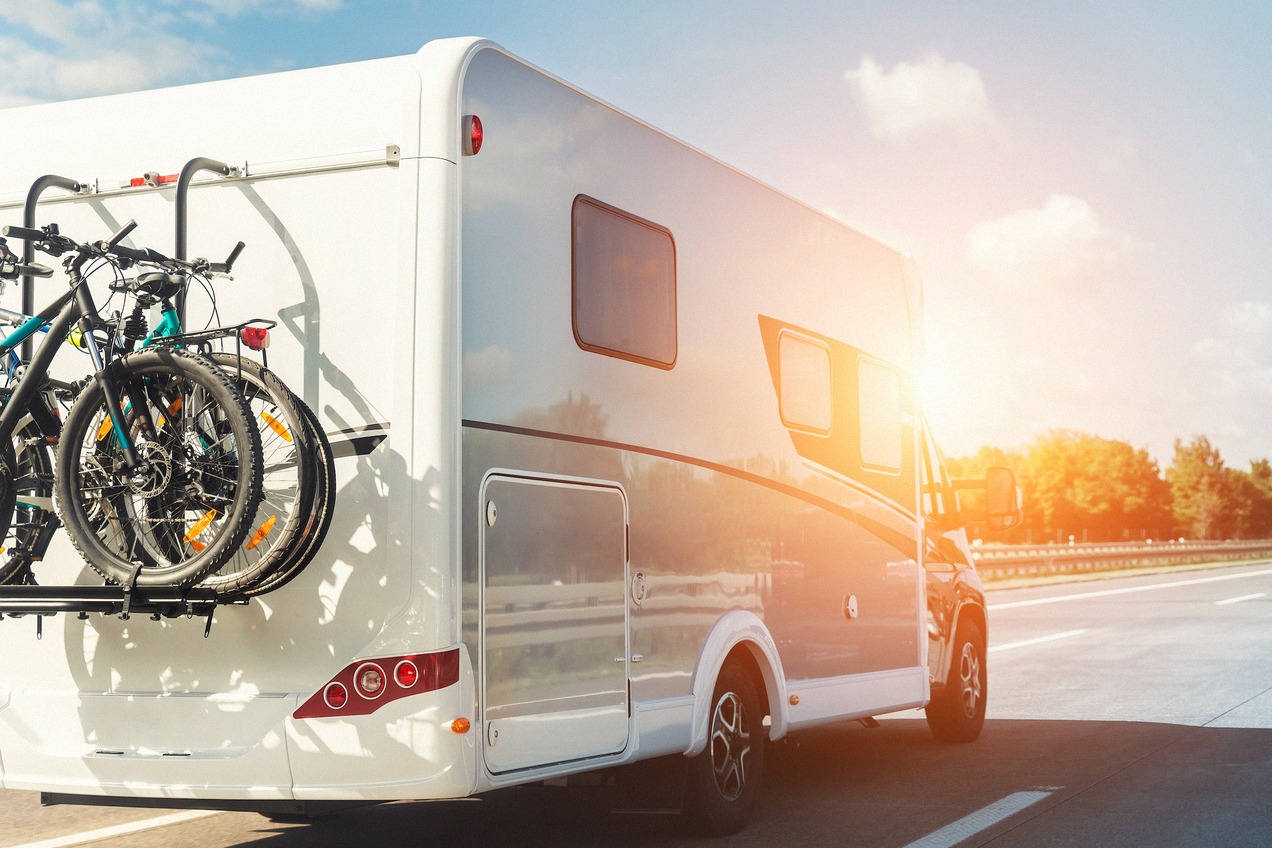
When you book, the total length including all attachments (bike rack, tow bar) determines the price. Just a few centimetres over can cause problems at check-in.
Maximum length
Maximum height
Gas cylinders
Cabin requirement
Price Comparison
Motorhome Ferries to Finland Compared
Crossing time, cabin requirement and destination region for each motorhome route at a glance. The binding fare for your vehicle and travel date is shown in the booking on the relevant route page.
Routes, crossing times and cabin requirements
| Route | Operator | Crossing time | Cabin | Destination in Finland |
|---|---|---|---|---|
| Travemünde → Helsinki | Finnlines | approx. 30 hrs | Compulsory | Helsinki (southern Finland) |
| Stockholm → Helsinki | Viking Line / Tallink | approx. 16 hrs | Compulsory (overnight) | Helsinki (southern Finland) |
| Stockholm → Turku | Viking Line / Tallink | approx. 11 hrs | Optional (day) | Turku (southwest Finland) |
| Kapellskär → Naantali | Finnlines | approx. 10 hrs | Optional | Naantali (Turku region) |
| Umeå → Vaasa | Wasaline | approx. 4 hrs | Optional | Vaasa (western Finland) |
| Tallinn → Helsinki | several operators | approx. 2 hrs | No cabins | Helsinki (via the Baltics) |
← Scroll the table sideways →
Table of Contents
Travelling to Finland by motorhome always means crossing the Baltic Sea. The only direct ferry into Finland from continental Europe is Finnlines' route from Travemünde to Helsinki, around 30 hours with no stops. If you would rather build Sweden into your road trip, drive up through southern Sweden first and sail on from Stockholm to Helsinki or Turku. What decides the fare is your vehicle's length and height: a length surcharge usually kicks in from 6 metres. This page compares all the motorhome routes, the operators' size rules, and practical tips on gas cylinders, pitches and road rules in Finland.
Routes for Motorhomes
There are three basic ways to reach Finland:
- Direct: Travemünde → Helsinki (Finnlines). The only direct link from mainland Europe. Daily, year-round, around 30 hours with two nights on board, a cabin is compulsory. Generous vehicle height allowance up to 4.4 m.
- Via Sweden: Cross to southern Sweden first (Trelleborg/Malmö with Stena Line or TT-Line), drive up to Stockholm, then continue with Stockholm → Helsinki (overnight ferry) or Stockholm → Turku (Viking Line, Tallink Silja). Alternatively Kapellskär → Naantali (Finnlines), or further north Umeå → Vaasa (Wasaline).
- Via the Baltic states: If you are driving through Estonia, Latvia or Lithuania, take the short crossing Tallinn → Helsinki (approx. 2 hrs, several operators).
Booking and Costs
Booking is done online through the relevant ferry operator's website. You will need to enter your exact vehicle dimensions, since these have a major effect on the fare.
Getting Your Vehicle Dimensions Right
Motorhomes are grouped into length categories. The typical limits are:
- Maximum length: 10-12 metres for online booking (longer vehicles by phone)
- Maximum height: up to 4.4 metres (Finnlines)
- Total length: always include bike racks, rear boxes and tow bars
Prices and Fare Options
Because of the long crossing and compulsory cabin, the direct Travemünde-Helsinki ferry is the priciest option, but it saves the entire overland drive through Sweden. The routes via Stockholm tend to be cheaper on the ferry fare itself, but you then have the drive to and through Sweden on top. Vehicle length and height, season, day of the week and how early you book all affect the final price. The binding fare for your motorhome and travel date is shown in the booking on the relevant route page.
Preparing Your Motorhome
There is no access to the vehicle deck during the crossing, especially worth remembering on the 30-hour direct ferry. Pack a bag with everything you need for the journey.
Luggage for the Crossing
- Overnight essentials and toiletries (two nights' worth on the direct ferry)
- Valuables and important documents (passport/ID card)
- Electronic devices, chargers and medication
Gas Supply and Cooling
For safety reasons, gas cylinders must be fully turned off before boarding. At check-in, a security seal is fitted over the unlocked gas locker.
Since the fridge will not run without gas, the following strategy helps: turn the fridge up to maximum power 24 hours before departure and have frozen cool packs ready. Good cooling preparation is especially worthwhile on the long direct ferry to Helsinki.
Travelling Around Finland by Motorhome
Wild Camping and Pitches
Like Sweden, Finland has the right to roam (jokamiehenoikeus), but it does not apply to motor vehicles. Motorhomes must stay on made-up roads. One night at public rest areas and car parks is usually allowed, provided you do not set up camp there. Finland is sparsely populated, so quiet spots are easy to find, but the many campsites and official motorhome pitches are the most comfortable option.
Tolls and Road Rules
Finland charges no road or bridge tolls, no motorway charges and no congestion charges. That makes the country particularly appealing for motorhome travellers. Do note the winter tyre requirement from 1 December to the end of February (in wintry conditions, November to March). Studded tyres are permitted. One other Finnish quirk: headlights must be on at all times, day and night, year-round.
Frequently Asked Questions
FAQ - Travelling to Finland by Motorhome
The key questions about the motorhome ferry to Finland, answered concisely.
What is the best way to get to Finland with a motorhome?+
The most direct option is the direct ferry Travemünde-Helsinki with Finnlines, around 30 hours across the Baltic Sea with no stops, ideal if you want to skip the long overland drive through Sweden. If you are approaching from continental Europe, Travemünde is easy to reach by motorway. Alternatively, drive up through Sweden and take Stockholm-Helsinki or Stockholm-Turku (Viking Line, Tallink Silja). If you are travelling via the Baltic states, the short crossing Tallinn-Helsinki (approx. 2 hrs) is the quickest link.
Do I have to book a cabin on the ferry?+
On the direct Travemünde-Helsinki ferry a cabin is compulsory, the crossing takes around 30 hours with two nights on board. A cabin is also compulsory on the overnight Stockholm-Helsinki service. On the daytime Stockholm-Turku crossing, as well as on Kapellskär-Naantali and Umeå-Vaasa, it is optional. On the short Tallinn-Helsinki route there is no cabin requirement at all.
How big can my motorhome be?+
The maximum vehicle height with Finnlines is a generous 4.4 metres. The standard length for online booking is 10-12 metres. Longer vehicles or combinations usually have to be booked by phone through the freight department. Always give the total length including all attachments when booking, bike racks, rear boxes and tow bars all count.
What happens to my gas cylinders on the ferry?+
Gas cylinders must be fully turned off, and the gas locker must remain unlocked. A security seal is fitted when you board. Since the fridge cannot run on gas during the long crossing, it is worth freezing cool packs in advance and turning the fridge up to maximum 24 hours before departure. This is especially important on the 30-hour direct crossing to Helsinki.
Can I park up freely overnight with a motorhome in Finland?+
Like Sweden, Finland has the right to roam (jokamiehenoikeus), but it does not apply to motor vehicles. Motorhomes must stay on made-up roads. One night at public rest areas and car parks is usually permitted, provided you do not set up camp. Finland is sparsely populated, so quiet spots are easy to find, but the many campsites and official motorhome pitches are the most comfortable option.
Are there tolls in Finland?+
No - Finland charges no road or bridge tolls whatsoever. There are no motorway charges, congestion charges or toll bridges. That makes Finland particularly appealing for motorhome travellers: once you are off the ferry, no further charges apply along the way.
Do I need winter tyres in Finland?+
Yes - Finland has a winter tyre requirement. Winter tyres are mandatory from 1 December to the end of February, and in wintry conditions from November to March as well. Minimum tread depth: 3 mm. Studded tyres are permitted (usually Nov-Mar/Apr). For vehicle combinations, the rule also applies to the trailer. Make sure you have the right tyres fitted if you are travelling in winter.
Do I need a special licence for my motorhome?+
For motorhomes up to 3.5 tonnes, a standard category B licence is enough. From 3.5 to 7.5 tonnes you need category C1. For vehicle combinations there are graded limits: category B up to 3,500 kg, B96 up to 4,250 kg and BE up to 7,000 kg. Older licences that already cover combinations up to 7,500 kg remain valid EU-wide, including in Finland, check your national rules if your licence pre-dates the current categories.
What do I need to know about entering Finland with a dog?+
To enter with a dog you need an ISO microchip, a valid rabies vaccination (at least 21 days before entry) and an EU pet passport. Finland additionally requires tapeworm treatment with praziquantel, given 24 to 120 hours before arrival and recorded in the passport, without this entry the pet may be refused entry. A cabin is compulsory when travelling with a pet on the direct ferry and on overnight sailings.
Ready for Your Motorhome Trip to Finland?
Compare current motorhome fares directly with the ferry operators and book at the best price.